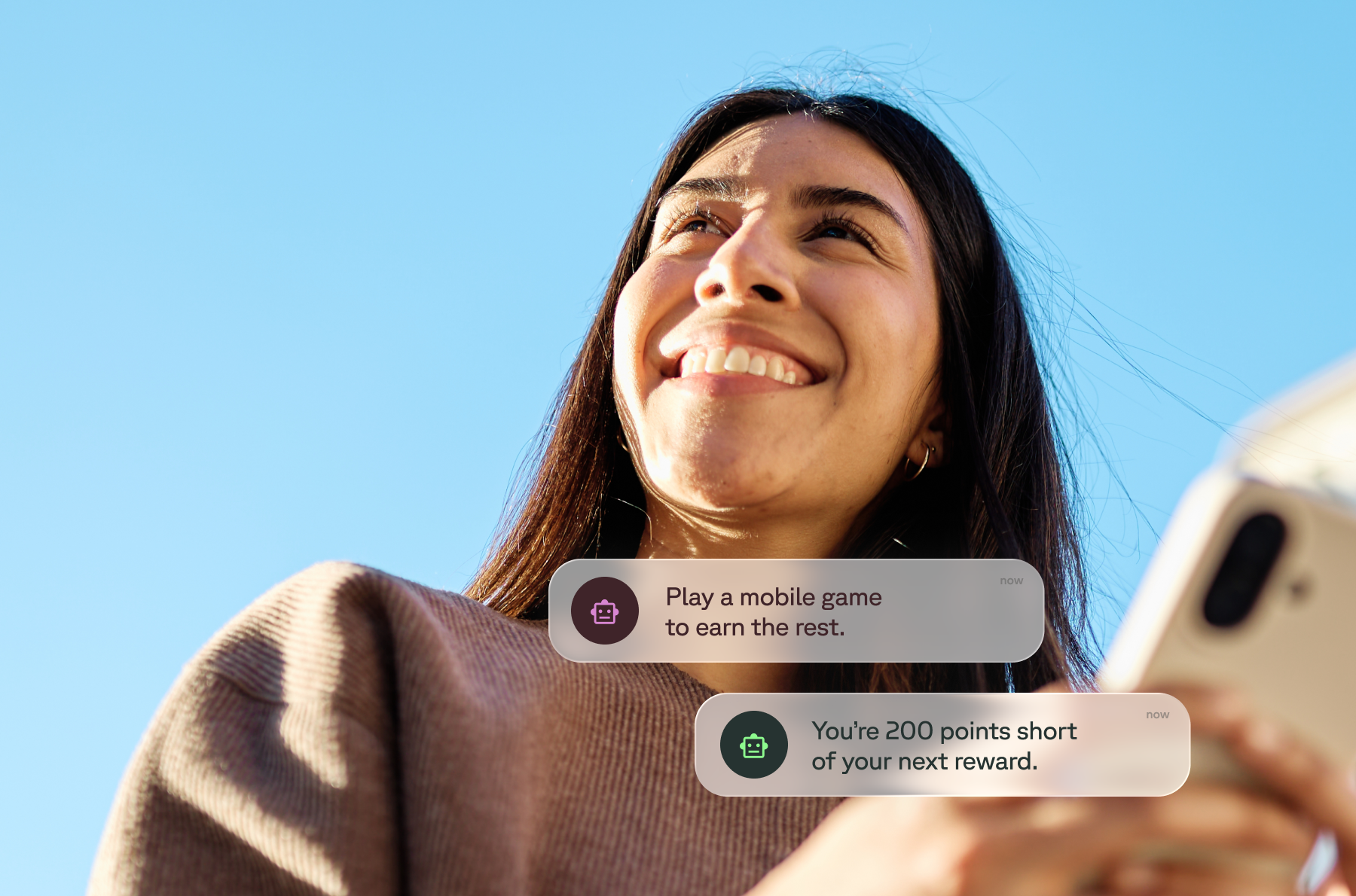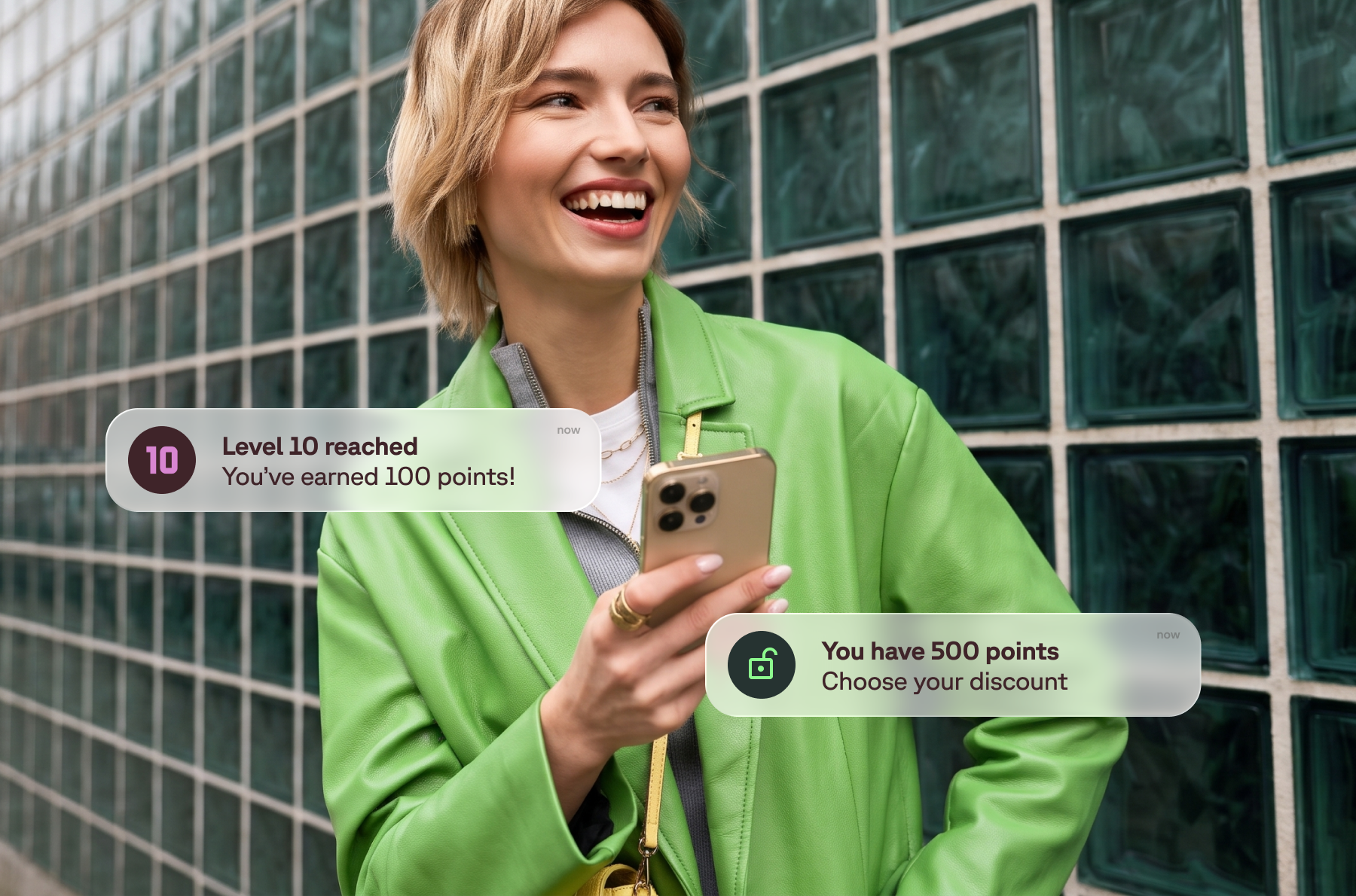

TL;DR: There’s a global value race among retailers, looking for the next source of it outside already-thin margins. The next value proposition needs to be relevant and useful in customers’ everyday lives. One answer is already on the same mobile screens that host retail apps: mobile games, filling the time between shopping. By connecting that existing habit with loyalty rewards, retailers can turn everyday play into an always-on source of value from the retail brand, fully funded by game advertisers.
As “value-seeker” becomes descriptive of an increasingly large share of customers, retailers are racing to respond with more value.
Unfortunately, this is happening at exactly the moment when average retail margins in sectors such as grocery barely cross the 2% line.
Price cuts are still the name of the game. Giant Eagle, Walmart and Stop & Shop were among the US retailers making significant price investments in 2026, while UK grocers have spent heavily on member pricing and value ranges. In H1 2026, Waitrose invested £20 million in permanent price reductions while putting more money behind loyalty. Sales rose, although operating margin tightened further.
There’s no way to win this game on discounts alone. Every chain is offering them, and yet only 13% of traditional-grocery shoppers see their main store as genuinely low-priced, while nearly two-thirds want deals but find getting them too much work.
The more carefully customers watch value, the more they examine not only what they pay, but what they get back for choosing one retailer over another.
And when the well of discounts has been drained, the next source of value shouldn’t be invented and imposed. It should start with the audience: what they already do, what they enjoy, and how that behavior can be natively woven into the loyalty programme as a new source of value.
Look at what customers are already doing
Much of customers’ everyday lives already happens on the same mobile devices they use for shopping. In the UK, adults spend an average of three to four hours on smartphones each day.
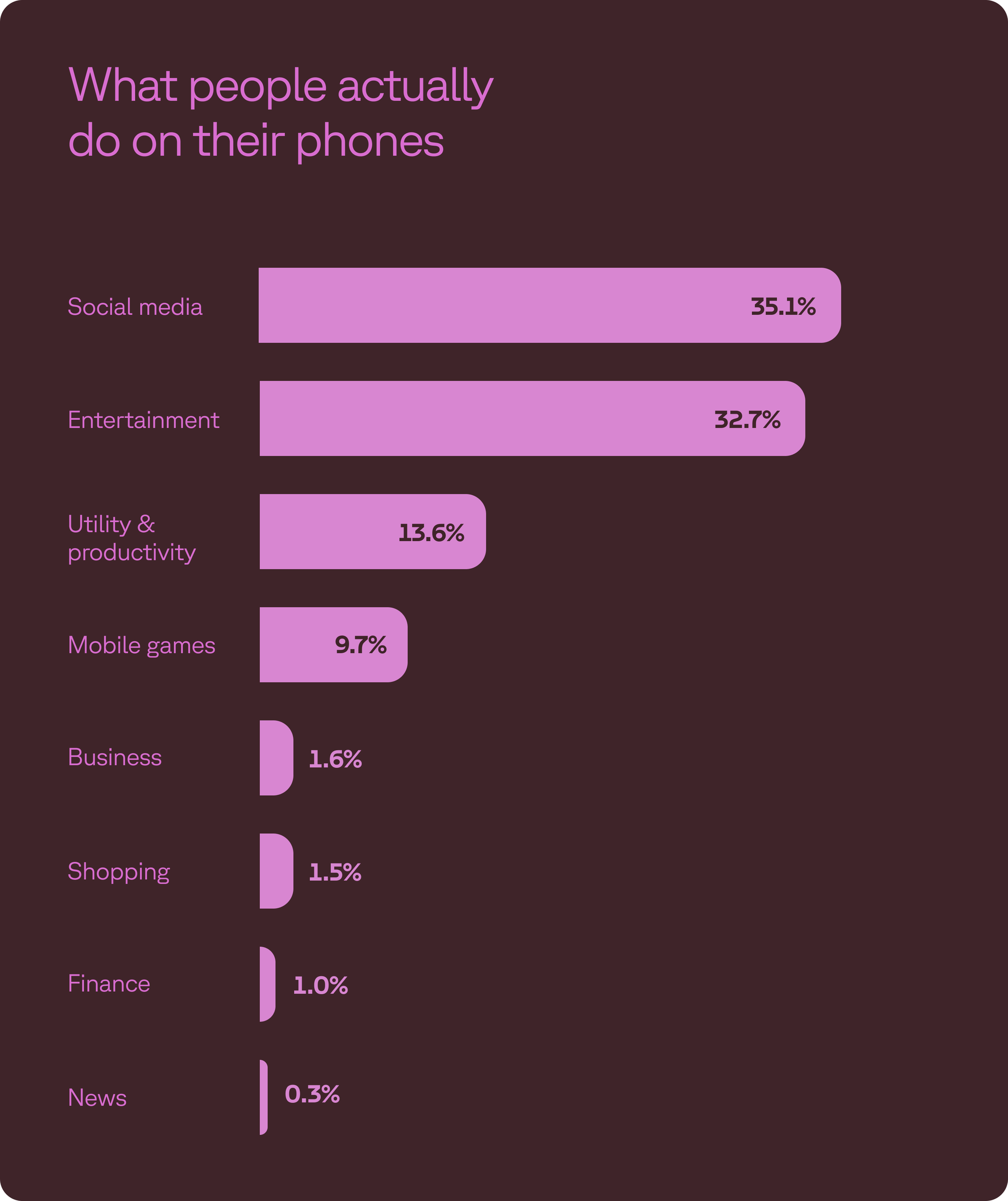
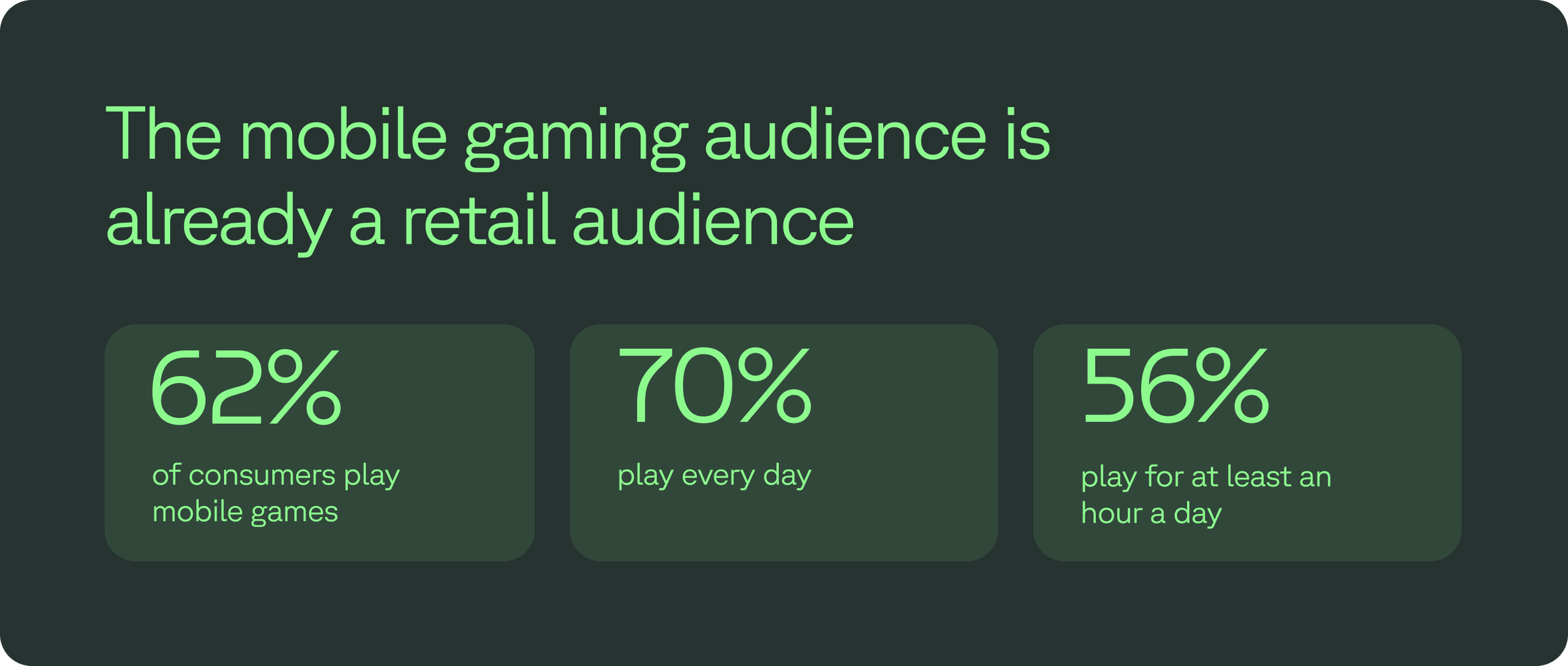
Retail apps may own the moments around a purchase, but the screen stays busy long after. That in-between time is largely shared between social media and entertainment, including mobile games, which keep 62% of consumers across the UK, US and Singapore busy.
Mobile gaming is highly engaging: 70% of mobile gamers play every day and 76% spend at least an hour a day playing.
They have high purchasing power, too. 70% of mobile gamers are the primary purchasing decision-makers in their households. 71% shop online at least weekly.
The connection runs so deeply, that if a customer plays mobile games, they spend 35% longer on retail sites and apps than non-gamers and visit an average of 28 retail brands a month, research shows.
The customer’s digital life doesn’t end with the shopping trip; it moves on to another activity on the same device.
A match between retail loyalty and mobile gaming
Retailers already have an audience of mobile gamers; game advertisers already have the games and substantial user-acquisition budgets to reach them. Those customers are playing anyway, and their engagement is exactly what mobile game studios are willing to pay for.
adjoe’s engagement technology puts the two together inside the retailer’s own app. A member opens a branded gaming area, say Nectar Arcade, chooses a mobile game and earns the retailer’s existing loyalty currency as they engage with it. adjoe handles the game supply, attribution and reward tracking behind the experience, while the advertiser pays for the player engagement it receives. Part of that value comes back to the member as loyalty points.
Nothing new has to be learned from the customer’s side: they engage in their usual pastime, play a game, and their loyalty balance grows. For the retailer, an existing habit becomes a new source of customer value funded outside the promotional budget.
That extra route to earning can matter even more among lower-spend customers. In one large loyalty programme using rewarded mobile gaming in adjoe’s network, lower-income members became more active after launch, suggesting that non-transactional earning can make loyalty more useful without asking for another purchase first.
And because earning stays available, the programme doesn’t have to wait for the next purchase or promotion to become useful again. Games can change with members’ interests; the route from play to points remains open.
Nectar put the idea into the loyalty balance
Sainsbury’s and its loyalty programme Nectar are the retail category’s first implementation of the concept. They made always-on earning with mobile games a reality for 24 million active members.
Results show a warm reaction from the members, since their app participation grew 27%, and 22% of dormant members who’d been inactive for over a year, returned into the programme and started converting their mobile gaming into Nectar points balance. Rather than reacquiring those customers somewhere else, the programme gave an existing behaviour a new reason to lead back into Nectar.
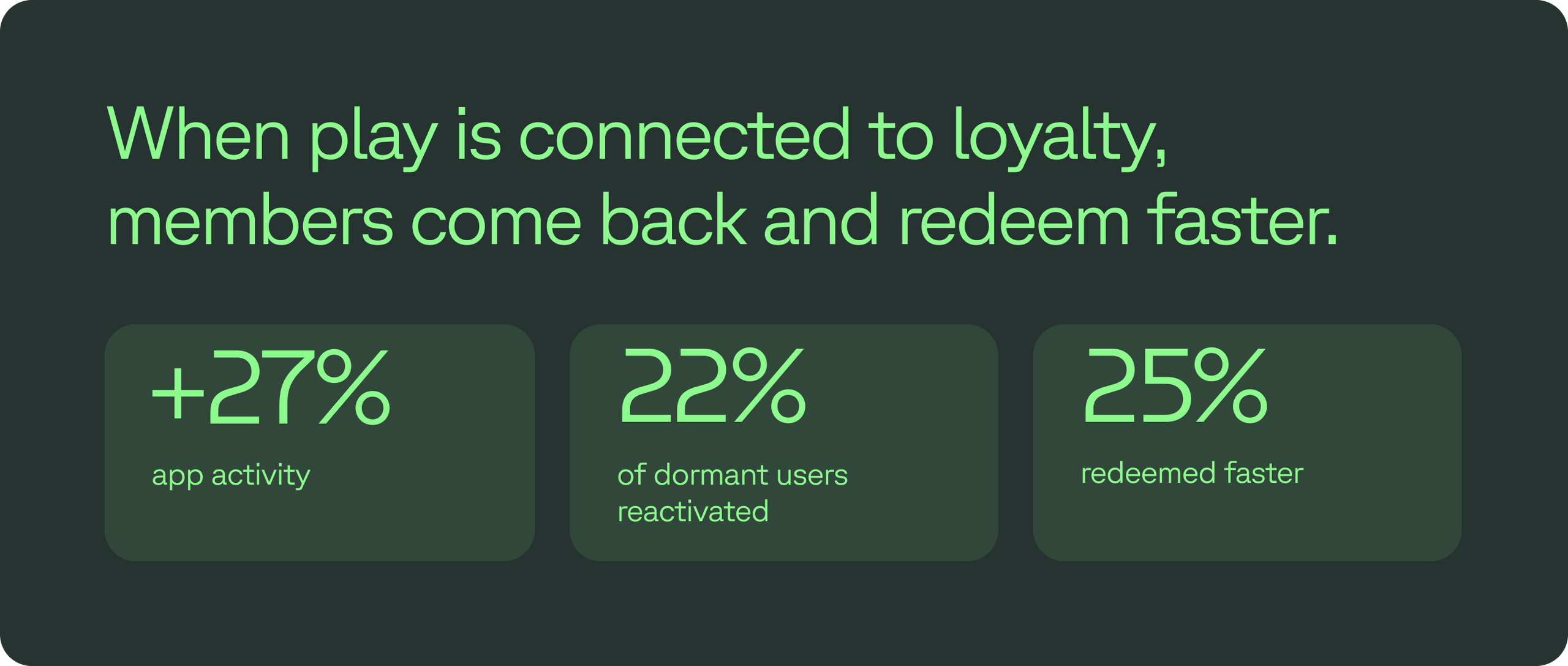
Most importantly, more frequent earning led to a more frequent redemption. A quarter of players That is the complete loop: the customer does something they already enjoy, game-advertiser spend turns that activity into loyalty value, the balance becomes useful sooner, and the retailer regains relevance before the next shop.
Look for value before inventing it
Retail has become very good at designing new reasons for customers to engage. However, for long-running loyalty, it’s better to study the reasons they already have.
Mobile games already occupy the spare minutes between purchases, and studios already place real economic value on that attention. Bringing the two into the loyalty programme means those same minutes can leave something useful behind for the customer.
For retailers searching for the next source of value, it’s time to ask themselves what are our customers already doing that could start giving something back?
To explore how rewarded engagement can create a new source of value for your loyalty program, connect with the adjoe team to estimate the potential impact for your members.